Justice Deferred, Health Denied: How Environmental Litigation Timelines Become Instruments of Community Harm
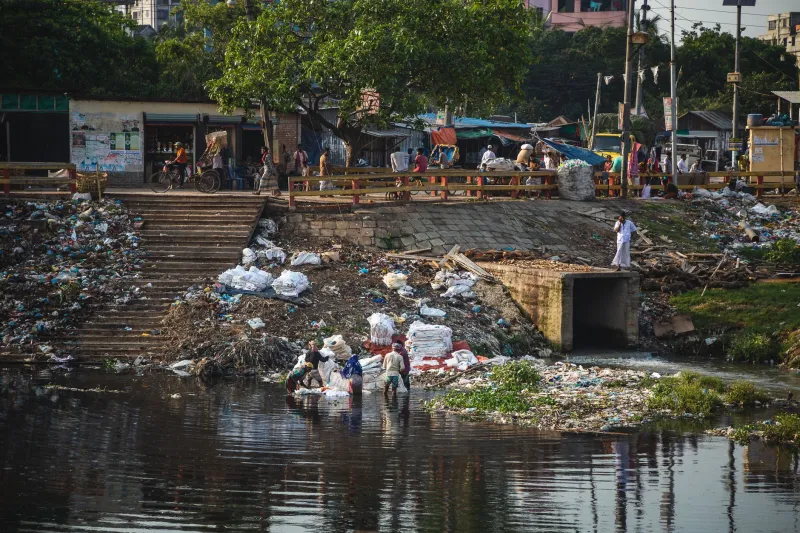
In the American legal framework governing environmental contamination, a paradox of considerable consequence has taken root: the very mechanism designed to deliver accountability for industrial pollution routinely postpones the remediation that affected populations urgently require. Epidemiological evidence may accumulate, biomonitoring data may confirm exposure, and clinical records may document harm—yet so long as liability remains contested in court, the practical obligations of responsible parties to remediate sites, notify residents, or fund health monitoring can remain effectively suspended. The litigation process, in this configuration, does not merely adjudicate responsibility after the fact; it actively delays the public health response in real time.
This structural phenomenon has attracted increasing scrutiny from environmental health researchers, legal scholars, and community advocates. What emerges from that scrutiny is a consistent and troubling pattern: the adversarial architecture of environmental tort law, combined with the resource asymmetry between corporate defendants and affected communities, creates conditions in which delay itself becomes a strategic instrument—one that imposes measurable costs on human health while shielding polluters from near-term financial accountability.
The Anatomy of the Litigation Lag
Environmental contamination cases rarely move swiftly through the American judicial system. From the moment a community or regulatory agency initiates legal action against a responsible party, the case enters a procedural landscape populated with opportunities for delay. Discovery disputes over internal corporate documents—precisely the records most likely to establish what a company knew and when—can consume years of litigation time. Expert witness challenges under the Daubert standard frequently require courts to conduct lengthy admissibility hearings on epidemiological and toxicological evidence before any substantive proceedings can advance. Jurisdictional contests between state and federal venues add further temporal friction.
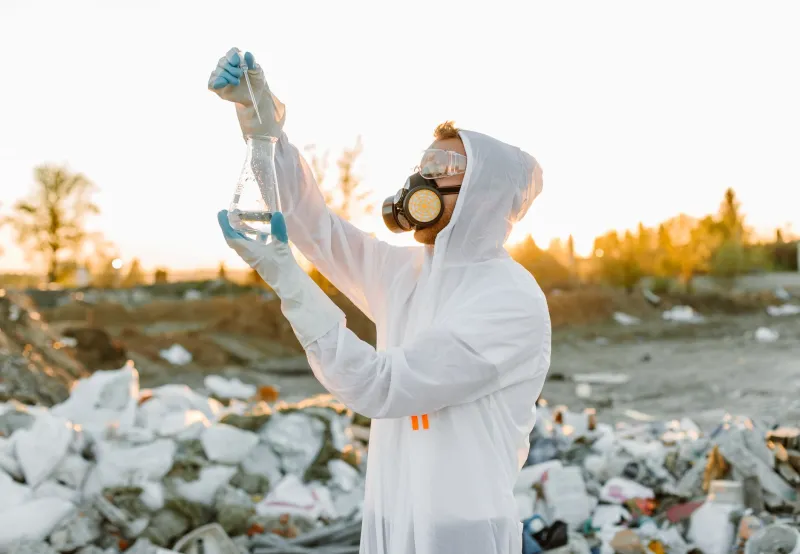
For communities living adjacent to contaminated sites, this timeline is not an abstraction. It represents continued exposure to soil, groundwater, or ambient air carrying compounds that scientific literature has associated with elevated cancer incidence, developmental impairment, reproductive harm, and cardiovascular disease. The interval between documented contamination and legally mandated remediation—what researchers have termed the "litigation lag"—has been measured in some prominent American cases at fifteen to twenty-five years. During that interval, exposure continues, disease accumulates, and the epidemiological signal strengthens precisely because intervention has been withheld.
Case Patterns That Illuminate the Bottleneck
The chromium contamination litigation in Hinkley, California, brought to national attention through the Erin Brockovich case, required approximately a decade of legal proceedings before a settlement compelled Pacific Gas & Electric to fund remediation and health programs. In the interim, residents continued to draw from affected groundwater sources, and subsequent epidemiological analyses have debated whether the delay in comprehensive remediation contributed to ongoing exposure outcomes. The case is instructive not because it resulted in no accountability—it ultimately did—but because the accountability arrived years after the harm was well-documented.
More recently, communities in the Ohio River Valley, the Gulf Coast industrial corridor, and the former manufacturing belts of the Midwest have pursued litigation against chemical manufacturers and waste disposal operators over contamination involving per- and polyfluoroalkyl substances (PFAS), trichloroethylene (TCE), and heavy metal compounds. In numerous instances, state and federal regulators have acknowledged the presence of hazardous concentrations in community water supplies or residential soils, yet formal remediation obligations have remained contingent on the resolution of liability disputes that courts have not resolved within any timeframe compatible with preventive medicine.
Disparate Geography, Disparate Consequences
The distribution of contaminated sites subject to prolonged litigation is not geographically random. Research published across multiple environmental justice journals consistently demonstrates that communities of color and lower-income neighborhoods bear disproportionate proximity to industrial facilities, legacy manufacturing sites, and permitted waste disposal operations. These same communities possess the fewest resources to pursue independent legal action, to relocate during litigation, or to access private healthcare that might mitigate exposure-related illness in the absence of publicly funded health programs.
The consequence is compounded inequity: populations already experiencing elevated baseline health burdens due to structural socioeconomic disadvantage are simultaneously the most exposed to industrial contamination and the least capable of absorbing the health costs imposed by legal delay. When a litigation lag of fifteen years falls upon a community in which residents cannot afford bottled water, cannot relocate, and lack employer-sponsored health coverage sufficient to address chronic illness, the temporal dimension of legal proceedings becomes indistinguishable from a public health policy choice—one with identifiable mortality and morbidity consequences.
Regulatory Paralysis in the Shadow of Litigation
A less examined dimension of the litigation lag concerns its effect on regulatory agency behavior. Both the Environmental Protection Agency and state environmental agencies operate under legal and political constraints that frequently discourage proactive intervention when contamination is already the subject of private litigation or when responsible parties have signaled their intention to contest liability. Agency officials may defer comprehensive site assessment, delay community notification, or postpone formal designation of a site for priority remediation out of concern that such actions could complicate ongoing legal proceedings or expose the agency to procedural challenge.
This dynamic—in which regulatory caution is amplified by, rather than independent of, litigation activity—means that the legal process does not merely delay private remediation obligations. It can simultaneously slow the exercise of independent governmental authority to protect public health. The result is a compounding delay in which neither the courts nor the regulatory agencies are actively driving protective action, while the contamination continues to exert its biological effects on the surrounding population.
Toward Structural Reform
Addressing the litigation lag requires interventions that operate at multiple levels of the environmental governance system. Several reform proposals have gained traction in the academic and policy literature, though none has achieved comprehensive legislative adoption at the federal level.
First, the establishment of provisional remediation obligations—requiring responsible parties to fund interim protective measures such as alternative water supplies, health monitoring programs, and soil containment—independent of final liability adjudication, would decouple the pace of health protection from the pace of legal proceedings. Several European regulatory frameworks incorporate analogous precautionary obligations, and their applicability to the American context merits serious legislative consideration.
Second, expanding mandatory disclosure requirements so that communities receive timely, scientifically accessible information about contamination levels regardless of pending litigation would address the informational dimension of the lag. Current federal notification standards under the Emergency Planning and Community Right-to-Know Act were not designed to function in the context of contested liability, and significant gaps in their application have been documented.
Third, dedicated environmental health courts—specialized judicial venues with technical expertise in toxicology and epidemiology—could reduce the procedural friction that currently extends discovery and expert admissibility phases across years of litigation. Several legal scholars have advocated for this model as a means of improving both the efficiency and the scientific rigor of environmental adjudication.
Conclusion
The litigation lag is not an incidental feature of the American legal system's engagement with environmental contamination. It is a structural outcome of the intersection between adversarial legal procedure, resource asymmetry, regulatory caution, and the absence of mandatory interim protective obligations. Communities that bear the health consequences of industrial pollution should not be required to wait for the resolution of liability disputes before receiving the protective interventions that epidemiological evidence already supports. Reforming this system is not merely a matter of legal efficiency; it is a matter of public health necessity.