Twelve Years of Monopoly: How Biologic Drug Exclusivity Periods Suppress Biosimilar Entry and Sustain Unaffordable Treatment Costs

Twelve Years of Monopoly: How Biologic Drug Exclusivity Periods Suppress Biosimilar Competition and Sustain Unaffordable Treatment Costs
For the millions of Americans managing rheumatoid arthritis, Crohn's disease, or certain forms of cancer, biologic therapies are not optional interventions — they are clinical necessities. These large-molecule drugs, derived from living cell cultures rather than chemical synthesis, have transformed outcomes for patients with conditions that once carried grim prognoses. Yet the same regulatory framework that governs their development has, by design, insulated their manufacturers from meaningful price competition for over a decade. The consequences for patients, payers, and public health budgets are measurable, persistent, and — from a comparative policy standpoint — largely avoidable.
The Architecture of Extended Market Protection
The Biologics Price Competition and Innovation Act of 2009, enacted as part of the Affordable Care Act, established the foundational rules governing biosimilar entry in the United States. Among its most consequential provisions was a twelve-year period of reference product exclusivity — meaning that no biosimilar version of an approved biologic may receive regulatory clearance from the Food and Drug Administration until that window has elapsed. This period is distinct from, and may operate in addition to, patent protections, which manufacturers routinely stack through a practice known as patent thickets: the filing of dozens of overlapping patents covering formulation, dosing devices, manufacturing processes, and administration methods.
The practical effect is that even after the twelve-year exclusivity clock expires, biosimilar entrants frequently face years of additional litigation before they can reach pharmacy shelves. AbbVie's adalimumab — marketed as Humira and the world's best-selling drug for much of the past two decades — held US market exclusivity until 2023, despite biosimilar versions having been available in Europe since 2018. During those five intervening years, American patients and their insurers paid list prices that, at their peak, exceeded $77,000 annually per patient, while European counterparts accessed biosimilar alternatives at a fraction of that cost.
A Transatlantic Comparison in Regulatory Philosophy
The European Medicines Agency operates under a fundamentally different exclusivity architecture. The EU's standard data exclusivity period for biologics is ten years — eight years of data protection plus a two-year market protection extension — with no standalone reference product exclusivity period of the kind embedded in US law. This shorter window has translated into substantially earlier biosimilar market entry across the continent, with measurable downstream effects on pricing.
A 2022 analysis published in Health Affairs found that biosimilar penetration rates in major EU markets for comparable therapeutic categories ran between 40 and 70 percent of total biologic prescriptions, while US penetration lagged considerably behind, particularly for recently patent-expired products. The European experience with infliximab — the active molecule in Remicade, used to treat inflammatory bowel disease and rheumatoid arthritis — is illustrative. Norwegian health authorities, leveraging biosimilar competition through a managed tendering process, achieved price reductions exceeding 60 percent within two years of biosimilar entry. No comparable price trajectory has materialized in the United States for equivalent products.
Who Absorbs the Cost
The financial burden of sustained biologic monopolies does not fall uniformly. Patients enrolled in high-deductible health plans, which have become increasingly prevalent among employer-sponsored insurance arrangements, face out-of-pocket exposure calibrated to list prices rather than net prices — a distinction that manufacturer rebate arrangements render largely invisible to the individual at the pharmacy counter. For patients whose annual deductibles run into the thousands of dollars, a single biologic prescription can exhaust their cost-sharing threshold within the first quarter of the year.
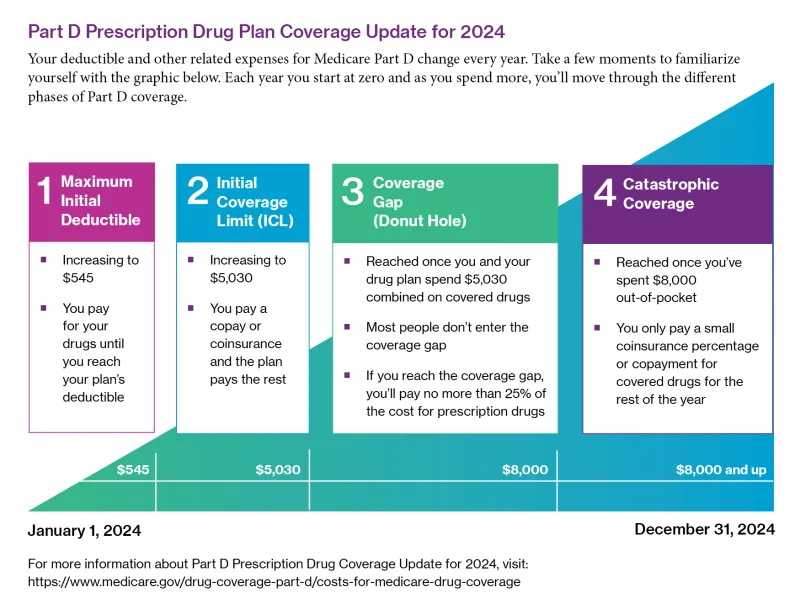
Medicare presents a separate dimension of concern. Because Medicare Part D's structure historically prohibited the program from directly negotiating drug prices — a restriction partially addressed by the Inflation Reduction Act of 2022, though limited in scope and pace — biologic manufacturers have operated in a protected pricing environment with few counterweights. The Congressional Budget Office has estimated that expanded negotiation authority could generate tens of billions in savings over a decade, but the biologics most relevant to chronic condition management will not become negotiation-eligible under current timelines until their exclusivity periods have already lapsed.
Regulatory Design as a Policy Choice
The twelve-year exclusivity period was not an inevitable outcome of scientific necessity. It was a negotiated political settlement. During the legislative debates preceding the BPCIA's passage, the pharmaceutical industry lobbied for fourteen years of exclusivity; public health advocates and generic drug manufacturers pushed for five. The twelve-year figure represented a compromise that, in retrospect, has tracked far more closely with industry preferences than with the statute's stated goal of promoting biosimilar competition.
Comparative evidence suggests that shorter exclusivity periods do not demonstrably reduce biologic innovation. The European pharmaceutical industry, operating under a ten-year framework, has continued to produce novel biologic therapies at rates comparable to the United States. Venture capital investment in European biotech has grown substantially over the past decade, challenging the assertion that twelve-year exclusivity is a prerequisite for sustained research and development activity.
Reform Pathways and Their Limitations
Several legislative proposals have sought to reduce the US exclusivity period to seven years, aligning it more closely with the European model. These efforts have repeatedly stalled, in part because the political economy of pharmaceutical regulation in the United States affords incumbent manufacturers significant leverage over both chambers of Congress. The revolving door between FDA advisory roles and industry positions further complicates the regulatory independence that rigorous oversight requires.
Beyond exclusivity reform, policy analysts have pointed to interchangeability designations — a US-specific regulatory category that allows pharmacists to substitute biosimilars without physician intervention — as an underutilized lever for accelerating market uptake. As of 2024, relatively few biosimilars had received interchangeability status, limiting their penetration even where they had technically achieved market entry.
State-level initiatives, including formulary management programs and step-therapy protocols that prioritize biosimilars in public employee and Medicaid plans, have demonstrated modest success in select jurisdictions. But absent federal structural reform, these interventions address symptoms rather than the underlying regulatory architecture.
The Patient at the Center of a Policy Failure
Behind each pricing statistic is a patient making decisions that no person managing a serious chronic illness should face: whether to ration doses, delay refills, or abandon therapy altogether because cost has become prohibitive. Survey data from patient advocacy organizations consistently document these behaviors among Americans on biologic therapies, behaviors that are demonstrably less prevalent in European health systems where biosimilar competition has meaningfully compressed prices.
The biologic exclusivity debate is, at its core, a question about whom the regulatory system is designed to serve. The current framework answers that question in ways that are difficult to reconcile with the public health mandate that agencies like the FDA nominally carry. Reforming exclusivity periods, streamlining interchangeability pathways, and insulating regulatory decisions from commercial pressure are not radical proposals — they are the logical conclusions of evidence that has been accumulating, on both sides of the Atlantic, for well over a decade.