Prescription Labels in a Warmer World: Heat, Medication Risk, and the Gaps in Clinical Data Infrastructure
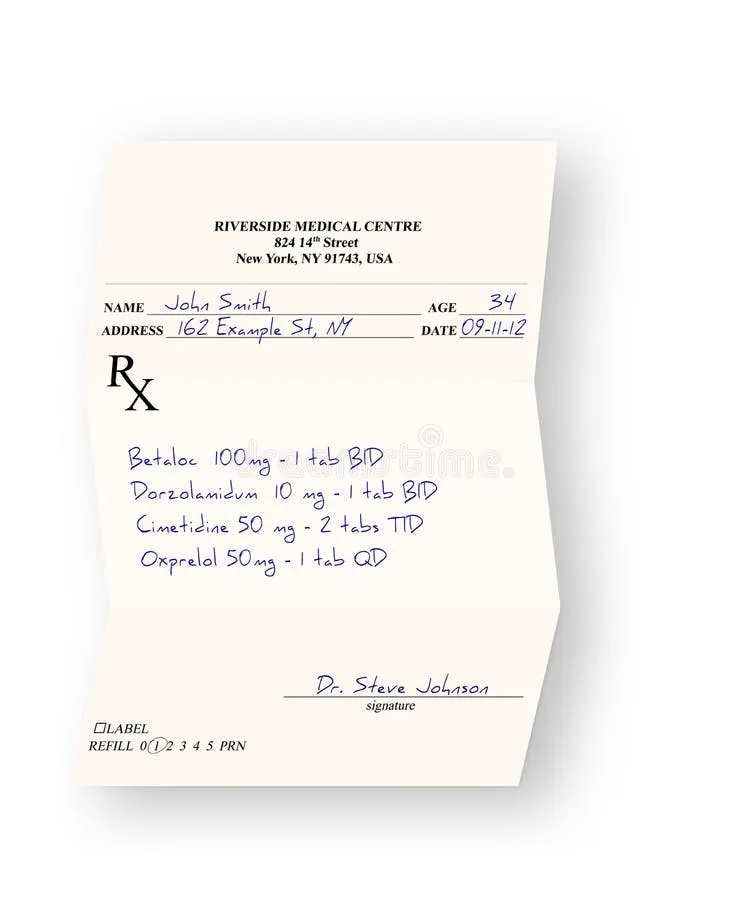
Photo: prescription bottle thermometer heat wave medication safety, via thumbs.dreamstime.com
Heat is not a novel pharmacological variable. Clinicians have long known that diuretics can intensify dehydration, that antipsychotics can impair thermoregulation, and that some cardiovascular medications can complicate the body's response to high temperatures. What is new is the scale and repetition of extreme heat in the United States, and the widening gap between what is known at the bedside and what is encoded in the systems that are supposed to support prevention.
As of November 2026, local heat action plans commonly emphasize cooling centers, public messaging, and outreach to older adults. They less commonly identify the medications that make a person more vulnerable. Electronic health records may capture a prescription, but they rarely carry a structured heat-risk flag. Pharmacy systems may print a warning, but the warning is often generic. Public health surveillance may count heat-related emergency visits, but it seldom links them to prescribing patterns in a timely or privacy-protective way. The result is a preventable risk that falls between clinical care, pharmacy practice, and emergency preparedness.
The Pharmacology of Heat Is Not New
The mechanisms are well described. Diuretics can reduce intravascular volume and worsen dehydration. Anticholinergic medications can suppress sweating. Some antipsychotics interfere with central thermoregulation. Beta blockers and other cardiovascular drugs can blunt the physiological responses that help the body dissipate heat. Older adults may have diminished thirst and impaired renal reserve, compounding the effect. Outdoor workers and people with limited access to cooling face a further layer of exposure.
The clinical implication is not that these medications should be avoided. It is that prescribing and counseling should account for environmental context. A drug that is appropriate in moderate weather may require closer monitoring during a heat emergency. The question is whether the health system has the data infrastructure to identify those moments and act on them.
Why Warnings Remain Generic
Prescription labels are designed for legal and safety communication, not for localized environmental risk. A label may warn about dehydration or dizziness, but it does not know that the patient lives in a heat island, works outdoors, or has no reliable air conditioning. Pharmacy leaflets are similarly standardized. They can inform, but they rarely trigger a workflow change.
Clinical decision support could do more. An EHR could flag a heat-sensitive medication when a local heat advisory is active, prompting a review of dosage, hydration status, and cooling access. But such alerts require structured data, reliable local weather feeds, and governance rules that prevent alert fatigue. Most health systems lack all three. The result is a paradox: the risk is clinically recognizable but administratively invisible.
The Data Gap Inside the Heat Action Plan
Heat action plans are usually coordinated by public health agencies, emergency management, and local government. They are not usually connected to prescribing data. A health department may know that a heat wave is coming, but it may not know how many residents are taking heat-sensitive medications, where they live, or which clinics serve them. Without that information, outreach remains broad and untargeted.
This is partly a privacy problem and partly an infrastructure problem. Prescription data are sensitive. Public health agencies should not receive identifiable medication records simply because a heat wave is forecast. But privacy protection does not require blindness. Aggregated, de-identified counts by geography and drug class could help planners identify high-risk areas. Consented outreach through pharmacies and clinics could reach individuals without creating a centralized surveillance system. The barrier is not that these approaches are impossible. It is that they have not been built into routine preparedness.
Privacy as an Excuse and a Constraint
Privacy law is sometimes invoked to explain why health systems do not share data with public health agencies. But the legal picture is more nuanced. HIPAA permits disclosures for public health activities under defined conditions, and state laws vary. The deeper problem is governance. Agencies lack standard data use agreements, common definitions, and secure pipelines. When every heat event requires a new negotiation, data sharing becomes episodic and slow.
A better model would separate individual care from population surveillance. Clinicians would retain responsibility for patient-specific counseling. Pharmacies would retain control of prescription records. Public health agencies would receive aggregated indicators, such as the number of heat-sensitive prescriptions per census tract or the rate of heat-related emergency visits among patients on diuretics. These indicators would be useful for planning without exposing individual medication histories.
A Minimal, Privacy-Preserving Agenda
A national agenda does not require a single centralized database. It could begin with a standardized list of heat-sensitive medication classes, developed by clinical societies and public health agencies. It could require EHR vendors to support heat-advisory flags as a configurable module. It could fund state health departments to develop data use agreements with health systems and pharmacies for aggregated reporting. It could integrate medication counseling into local heat action plans, so that cooling center outreach includes guidance for people taking diuretics, antipsychotics, and cardiovascular drugs.
None of these steps is technologically exotic. They are governance choices. The obstacle is that heat preparedness and medication safety are managed in separate professional silos. Closing that gap requires treating data infrastructure as part of clinical prevention, not as an administrative afterthought.
Clinical Counseling as Infrastructure
The prescribing encounter remains the most direct point of intervention. A clinician can ask whether a patient has reliable cooling, whether they take medications that increase heat risk, and whether they know what to do during a heat advisory. But that conversation depends on time, workflow, and training. It also depends on whether the health system has made heat risk visible at the point of care.
A warmer climate will not create new pharmacology. It will intensify existing vulnerabilities. The policy question is whether the health system will continue to rely on generic warnings and individual vigilance, or whether it will build the modest data infrastructure needed to make heat-sensitive prescribing a routine part of prevention. The latter is not a privacy intrusion. It is a prerequisite for credible heat preparedness.